Labiaplasty

rates
-
-
-
-
-
-
What is labioplasty?
Labioplasty is surgery that reduces the size of hypertrophied or loose labia minora and corrects asymmetries. The causes of lip tissue hypertrophy are not known exactly but factors such as genetics, weight changes, pregnancy, sexual contact, riding, cycling, age, etc. may be involved.
When is labioplasty recommended?
• the patient is dissatisfied with the appearance of the lips (elongated, too large or asymmetrical)
• the patient feels discomfort or pain in the following situations: exercise, walking, cycling, prolonged sitting, clothing
• you feel pain or discomfort during intercourse
• the patient does not feel comfortable when wearing more skimpy or tight clothing (swimsuit, underwear, tights, etc.) due to the fact that the lips are too prominent
What does surgery require?
The first step is the consultation, which will discuss all aspects related to this intervention, indications of the procedure, risks, and what are the expectations of patients. A minimum set of blood tests, a brief urine test and a gynecological check-up before surgery are required to detect any urinary or genital infections.
The surgery is performed under local anesthesia and lasts about an hour, and after the operation the patient will go home and return to the consultation the next day.
First apply an anesthetic cream on the lips for 30 minutes, so that the patient will not feel any discomfort when performing local anesthesia with xylin.
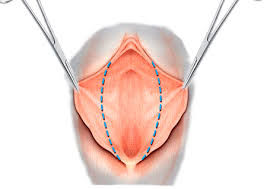
The surgery consists of an incision placed at the level of the labia minora, the removal of the skin from the level of the labia minora in excess and closing the incisions by suturing.
What complications can occur?
Complications that may occur are the following:
• bleeding
• wound infection
• allergic reactions to the anesthetic
• postoperative asymmetries
• wound dehiscence
• low sensitivity in the genital area
What does the recovery period entail?
The recovery period can take from a week to more than a month for the area to be completely healed, although most patients recover very quickly and can resume their daily activities in about 1-2 days. Immediately after the operation, when the effect of the anesthesia passes, the patient will feel a slight local discomfort, the area being swollen. If necessary, your specialist may prescribe analgesics.
Postoperative recommendations:
• washing the area with neutral pH soap or intimate hygiene gel, without rubbing the area
• local hygiene with saline at least once a day
• daily disinfection of the area
• use of an antiseptic cream
• abstinence from sexual intercourse for 4-6 weeks
• avoid wearing very tight underwear that creates discomfort
• avoid heavy physical exertion such as swimming, running, horseback riding, cycling for at least two weeks
It is very important that the patient comes to all postoperative check-ups to make sure that everything is going well without any problems.